
Get to know us
About Dakota & Well Planned Pawrenthood
The Premise
When I moved to the Bay Area, I encountered a particular kind of culture shock: seemingly everyone owned an exceptionally well-behaved dog. The parks were populated with calm, obedient companions. The coffee shops had serene dogs lounging beneath patios. And then I brought Titan and Jemma into this landscape.
Suddenly, I felt profoundly isolated. My dogs weren't broken—they were reactive, anxious, strong-willed, and complicated. But in a region where "good dog" seemed to be the overwhelming standard, having a dog with genuine behavioral challenges felt like an indictment. I couldn't find community among the effortless dog owners. I couldn't find resources written for people like me—people whose dogs required actual intervention, adaptation, and unconventional solutions.
That's when I realized the gap in the market wasn't about general pet advice. It was about honest guidance for the people who needed it most: those of us with difficult dogs, from other people who understood because they'd lived it too.
The Reality
I grew up in a household that prioritized rescue adoption. A black Boston terrier. A white Great Pyrenees. Cats of various dispositions. These weren't curated companion animals; they were vulnerable creatures my family brought into our lives and learned to understand on their terms, not ours. There were no instruction manuals, no breed guarantees, no promise that things would be uncomplicated.
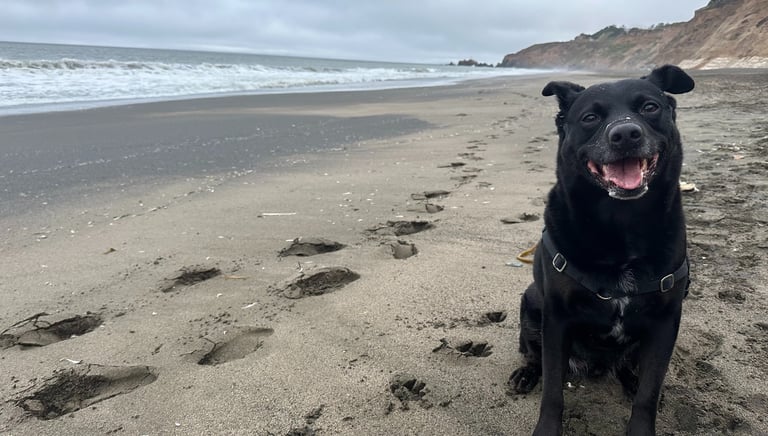
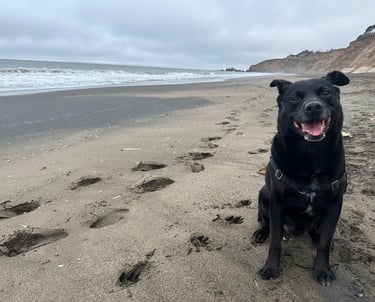
Today, I share my Bay Area home with Titan and Jemma—two rescue dogs who have fundamentally reshaped how I understand partnership, resilience, and what it means to advocate fiercely for beings who cannot advocate for themselves.
Titan, a senior rescue mix with selective hearing and considerable opinions, taught me that compliance and connection are not synonymous. Years of formal training programs yielded less growth than simply understanding what genuinely motivates him—which, as it turns out, is neither authority nor obedience, but reciprocal respect.
Jemma, a completely deaf rescue I found abandoned near a Whataburger on the Oklahoma-Texas border, dismantled my assumptions about limitation. She communicates through visual cues, responds to silent hand signals with precision, and has demonstrated that disability is not a deficit—it's simply a different communication pathway.
What I've Learned
I've worked extensively with three certified trainers and invested years in formal study of canine behavior. But my real education came from the daily practice of caring for complex animals in real circumstances: managing Titan's chronic kidney condition through dietary modification and behavioral accommodation, developing visual communication systems for Jemma's deafness, and navigating the authentic mess of life with challenging rescue dogs in an urban environment.
The central insight of my experience: Most dog owners with behaviorally complex dogs aren't failing. They're operating without adequate resources—resources written by people who've actually lived in their shoes, not from the perspective of someone whose dogs cooperate naturally.
What This Space Exists For
Well Planned Pawrenthood was founded for the dog owners I couldn't find when I needed them most. This is a refuge for people whose dogs have anxiety, reactivity, aggression, or simply refuse to comply with conventional training wisdom. This is a resource built by someone who understands what it feels like to be the owner of a "difficult" dog in a world that seems built for "good" ones.
You won't find judgment here—only evidence-based guidance from someone who has failed repeatedly, learned relentlessly, and developed practical frameworks that account for dogs who require genuine intervention, not simple obedience.
Every recommendation on this site has been tested with Titan and Jemma. Every product I suggest is one I would trust with their wellbeing. Every perspective I share comes from years of working alongside certified trainers, studying behavioral science, and most importantly, from the lived experience of loving dogs who complicate everything and teach you everything.
As a single woman building a life around the needs of two demanding, complicated, extraordinary rescue dogs, I've learned that the most reliable path forward is radical honesty about what works, what doesn't, and what we all get wrong about dogs—especially when those dogs don't fit the cultural narrative of "well-behaved."
Let's Connect
If you have a story, a question, or a confession about the realities of dog ownership—particularly the parts involving behavioral challenges, training setbacks, or the loneliness of navigating a reactive or anxious dog—I'd welcome hearing from you. You can reach out through Instagram or contribute to Pawrenthood Confessions, where authentic dog owners share what actually happens when training doesn't work as advertised.
The best part of this work isn't the training protocols or the product recommendations. It's knowing that someone else has stood in their living room at midnight, utterly bewildered by their dog's behavior, and figured out that the next step wasn't abandonment or despair—it was understanding.
🐾 —Dakota
Lifelong rescue advocate. Perpetual student of canine behavior. Devoted advocate for the owners of complicated dogs.


Our Team
Author Credentials: The Planned Pawrenthood team consists of certified dog trainers, veterinary professionals, and experienced dog owners who share evidence-based advice through lived experience with rescue dogs like Titan and Jemma.
Get in touch
Share with visitors how they can contact you and encourage them to ask any questions they may have.
capitalwellness25@gmail.com
Resources
Your go-to hub for pet parenting tips.
Unleash Your Inner Pawrent
© 2025. All rights reserved.
Tiny paw-print note: We may earn on Amazon links—no extra cost to you, but it does fund our dogs’ ever-growing tennis ball obsession.