
The 5 Best Dog Training Books (According to Real Dog Parents)
Discover the 5 best dog training books trusted by real dog parents. From puppies to rescues, find practical, budget-friendly guidance that works.
TRAININGBEHAVIOR
Well Planned Pawrenthood
8/30/20254 min read


Why I Wish I’d Bought a Book Before Board-and-Train
Let me save you a few hundred dollars and one big regret: I once sent Titan and Jemma to a board-and-train program that promised “fast results.” Spoiler: the only thing fast was how quickly the results unraveled once they got home. If I’d just bought a couple of the right training books, I could’ve had the same strategies at my fingertips for less than a bag of premium kibble.
That’s the heart of this list: not just expert-backed books, but titles real pawrents actually use and trust. These are the dog-earred, coffee-stained, occasionally chew-marked guides that give you both structure and sanity when raising a dog feels like full-time improv.
Why Training Books Still Matter in 2025
Yes, YouTube trainers are entertaining. TikTok “life hacks” for dogs rack up views. But books? Books are still the place where trainers explain why things work, not just the flashy “before and after” clip. A paperback or Kindle download gives you progressive lessons, not a 60-second dopamine hit.
I’ll admit: I check in on Karen Pryor and Zak George for pupdates online, but the depth you get from their books is a different universe.
The Top 5 Dog Training Books
1. The Puppy Primer by Patricia McConnell
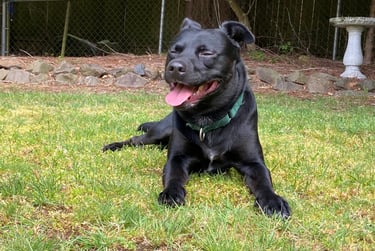
When Titan was a pup in a third-story walk-up apartment, potty training felt like a cardio program I didn’t sign up for. The Puppy Primer is built exactly for those moments. It breaks down the basics — leash, potty, crate — in bite-sized chunks that feel manageable even when you’re sleep deprived.
Best for: Puppies, first-time pawrents, and apartment dwellers.
2. Don’t Shoot the Dog! by Karen Pryor
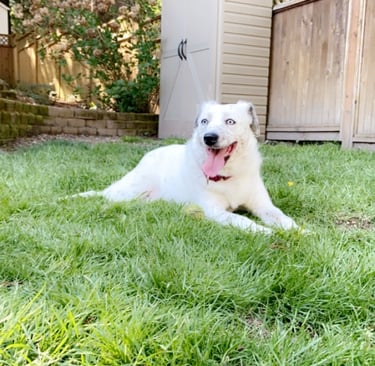
Jemma, my deaf dynamo, taught me that hand signals and body language could go farther than any whistle or “sit” command. Pryor’s book doesn’t just teach obedience — it teaches how learning works. Her clicker-training philosophy adapts seamlessly for dogs who rely on visual or tactile cues.
Best for: Dogs who need shaping, pawrents of deaf or blind pups, and anyone tired of yelling “no” with zero results.
3. Zak George’s Dog Training Revolution
Titan’s leash pulling? Zak George’s videos gave me hope. His book? It gave me the actual roadmap. This one feels like a pep talk with a plan attached — positive reinforcement at its core, but pragmatic enough for pawrents juggling work, kids, and one very energetic dog.
Best for: Modern pawrents who need training that fits into real life, not just “ideal conditions.”
4. Train Your Dog Positively by Victoria Stilwell
If you’re feeling guilty or overwhelmed, Stilwell’s book is basically a warm hug in print. She breaks training into small, compassionate steps. It’s especially helpful for families bringing home their very first dog.
Best for: Nervous pawrents, gentle souls, and kids who want to be part of the training team.
5. Control Unleashed by Leslie McDevitt
This book is a lifeline for reactive, anxious, or easily distracted dogs. With Jemma, teaching focus and redirection was everything — a small wave means “stay close,” a big wave from across the yard means “come back.” McDevitt’s games and exercises are exactly the kind of structured enrichment that make that possible.
Best for: Reactive dogs, multi-dog households, and pawrents who feel every walk is a tactical mission.
Training Dogs with Disabilities (Because “Sit” Isn’t One-Size-Fits-All)
Deaf Dogs (like Jemma):
Hand signals, visual cues, and mentor dogs (like Titan) make training seamless. Books with photos and step-by-step shaping games adapt beautifully.Blind Dogs:
Touch and scent rule here. Pair verbal markers with gentle tactile rewards. Concept-based training (from Pryor’s shaping methods) shines.Mobility-Challenged Dogs:
Enrichment doesn’t mean laps around the park. McDevitt’s stationary focus games give arthritic or tripod dogs the same brain workout without strain.
👉 Disabilities don’t mean “untrainable.” They just mean your training plan needs a different accent.
Budget-Friendly Alternatives
Library haul: Dog books rarely go out of style.
Kindle Unlimited: Many classics rotate through the program.
Used copies: Training books are among the most donated to resale shops.
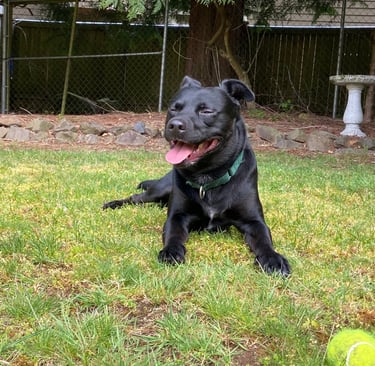
DIY props: Muffin tins + tennis balls = puzzle feeder. Free, effective, and Titan-approved.
Affiliate Helpers (That Actually Make Reading Useful)
Hands-free waist leash: Great for training walks — but trust me, only in low-distraction areas unless you enjoy being dragged like a human sled.
Clicker pack: Cheap, simple, indispensable.
Training journal: Track your dog’s progress in style.
FAQs
Are books outdated compared to online training?
Not if the author is still actively teaching (McConnell, Pryor, Stilwell, George all are).
Is my dog too old for training?
Nope. Titan was seven when Control Unleashed exercises helped balance his reactivity.
Do I need all five books?
Not at once. Pick one that matches your dog’s biggest need today. Build from there.
What about multi-dog households?
Parallel training works. Titan’s calmness often helped Jemma learn without me saying a word.
Books won’t magically make your dog perfect. But they give you the tools, structure, and confidence to show up consistently. And honestly? If Titan can potty train in a third-story apartment and Jemma can learn an entire hand-signal vocabulary, your dog can absolutely get there too.
Subscribe to The Weekly Treat for deeper dives, trainer-backed solutions, and more pawrent-tested stories.

Paw-renthood note: Some links are Amazon affiliate links, which means your pup’s new favorite book might just buy us an extra bag of treats (thank you!).
Resources
Your go-to hub for pet parenting tips.
Unleash Your Inner Pawrent
© 2025. All rights reserved.
Tiny paw-print note: We may earn on Amazon links—no extra cost to you, but it does fund our dogs’ ever-growing tennis ball obsession.