
Crate Training Secrets Vets Don’t Tell You (But Trainers Swear By)
Unlock the crate training secrets vets skip but top dog trainers swear by. Pro tips for puppies, stubborn seniors, and every pup in between.
TRAINING
Well Planned Pawrenthood
8/27/20254 min read

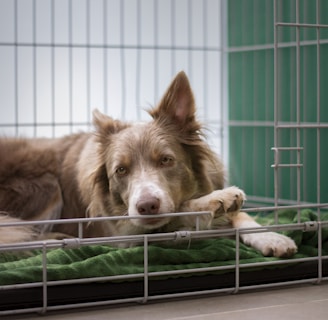
When I first brought Titan home to my third-story walk-up, I had two things on my side: determination and a Costco-sized pack of frozen KONGs. What I didn’t have was much advice from the vet. “Use a crate if you want,” they shrugged. Trainers, on the other hand? They treated the crate like a Swiss Army knife: housebreaking tool, management system, and sanity-saver all rolled into one.
So, let’s set the record straight. Crates aren’t cruel. They aren’t magic either. But used well, they can be the single greatest relief valve for both you and your pup. Here are the secrets you’ll never hear in the exam room, but every seasoned trainer swears by.
Why Your Vet Might Shrug at Crates (and Why Trainers Don’t)
Most vets are focused on physical health, not behavioral sanity. They’ll make sure vaccinations are on schedule and tummies aren’t upset — but “crate training” usually gets reduced to a sentence or two.
Trainers, though? They see what happens when dogs roam unsupervised. Torn shoes. Midnight bathroom disasters. Pawrents crying into their pillowcases. That’s why trainers preach crates as management tools, not punishments.
Think of it this way: a crate isn’t a jail cell. It’s a pack-and-play for dogs. Done right, it’s safety and structure wrapped in four mesh-sided walls.
Secret #1 – Crates Are Management, Not Magic
Titan, bless him, never whimpered in his crate at night. But actually getting him into the thing? That required bribery worthy of a political scandal. Frozen KONGs, handfuls of treats launched like confetti — anything to convince him that “the box” wasn’t a medieval torture chamber.
And here’s the secret: a crate alone doesn’t “teach.” It only sets the stage. Trainers like Patricia McConnell emphasize that it’s about management — preventing accidents and giving your dog a clear routine — so training has a chance to work.
🛒 Affiliate Picks:
Midwest iCrate with Divider Panel— budget-friendly, adjustable, grows with your pup.
Wooden Furniture-style Crate— for pawrents who don’t want a wire cage clashing with their décor.
Secret #2 – Make the Crate a Party, Not a Prison
Jemma, my sassy little Whataburger rescue, adored the crate when snacks were involved. But the second we tossed a blanket over it to signal “quiet time,” she yelped like a banshee. Her deafness meant she couldn’t hear soothing words from the couch, so we had to double down on frozen KONGs, snuggly blankets, and a steady flow of high-value treats to convince her the crate wasn’t the end of the world.
Trainer tip: scatter feed inside, tuck puzzle toys into bedding, or rotate chews so the crate becomes the VIP lounge, not solitary confinement.
🛒 Affiliate Picks:
KONG Classic— the ultimate bribe container.
Snuffle Mat— because dinner should double as mental enrichment.
Secret #3 – Timing Is Everything
Young dogs need short bursts in the crate, with frequent potty breaks. Think 2–3 hours max, then out. Adult rescues often need more gradual introductions: one paw in, treat; two paws in, treat; nap inside with the door open, jackpot.
Titan’s schedule was brutal at first. My late shifts in medicine meant I often trudged home after midnight to take him out yet again. But because the crate kept him honest between breaks, he never built sneaky bad habits.
Trainer Emily Larlham is a big advocate for this slow-and-steady desensitization. You’re not teaching “crate tolerance” in a week — you’re building trust.
Secret #4 – Size (and Sightlines) Matter
Here’s what nobody tells you: too big a crate invites accidents. Too small and you’ve built a medieval dungeon. You want just enough room to stand, turn, and sprawl. For puppies, dividers are lifesavers.
For multi-dog homes, sightlines matter too. If one dog stares daggers at their housemate through the bars, toss a blanket over the side to create a visual barrier. Jemma, for example, always settled faster once her crate had a little “privacy curtain.”
Secret #5 – Crates Are Training Tools, Not Forever Jails
The end goal isn’t “crate until college.” It’s a safe foundation that transitions into freedom. Titan and Jemma both eventually graduated when I bought a loft bed and gave them a mattress underneath. Now, that “place” functions as their bedtime spot — no locks required.
Trainer Denise Fenzi often reminds students: choice builds freedom. A crate isn’t a life sentence. It’s scaffolding. Once your dog proves they can handle the house without eating drywall (a temptation Titan never had, thankfully), the crate becomes optional.
Budget-Friendly Hacks Trainers Whisper, Not Sell
Because not everyone has $50 for a chew toy:
Frozen carrots beat overpriced dental chews.
Old thrift-store blankets become bedding (just skip loose strings for safety).
A thrifted curtain doubles as a chic crate cover.
Trainers will never put these in a product catalog — but they’ll happily tell you in a seminar.
FAQs Pawrents Google at 2 a.m.
How long is too long in a crate?
For puppies: 2–3 hours. For adults: 6–8 max, and only with breaks. Overnight is fine with potty trips.
Do dogs grow out of needing one?
Yes, if they earn trust. Crates are training wheels, not permanent furniture.
What if my rescue hates the crate?
Start small. Feed meals inside. Play games near it. Keep sessions short. Desensitization works better than brute force.
The Sanity-Saving Secret
Crates don’t mean less freedom. They mean more sanity for you and more structure for your dog. Titan’s patience and Jemma’s sass both found their footing thanks to a few weeks of frozen KONGs, some persistence, and the knowledge that crates weren’t punishment — they were a shortcut to peace.
Now, your turn: what’s your funniest or most desperate crate confession? Did your dog treat it like a spa retreat or a courtroom drama? Drop your story in the comments — we all need the laugh.
✅ Inspired by trainers like Patricia McConnell, Emily Larlham, and Denise Fenzi.
💡 Affiliate Disclosure: Some links in this post may earn us a small commission at no extra cost to you (which goes straight to more frozen carrots and snuffle mats).
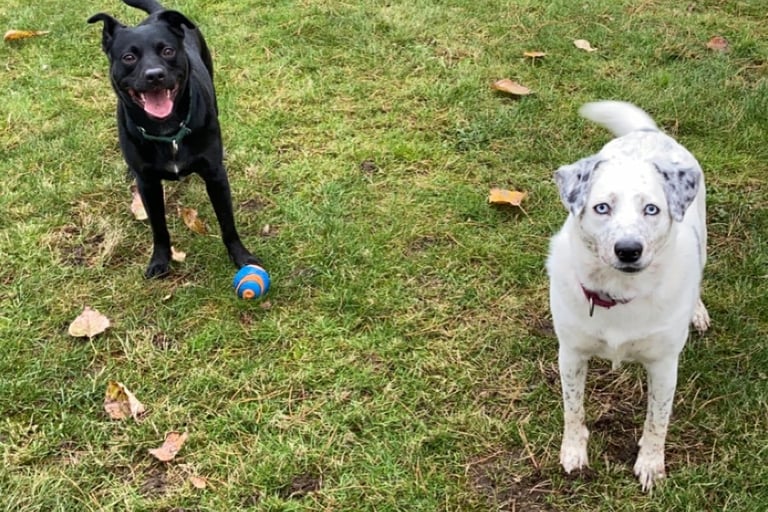
If you’ve ever wondered whether these dog-parenting tips work in the real world, meet my test subjects: Titan, a treat-motivated grump with the memory of an elephant (and the recall of a goldfish), and Jemma, a deaf cuddlebug who follows hand signals better than most kids follow instructions. They keep me humble, and they keep this blog honest.
Resources
Your go-to hub for pet parenting tips.
Unleash Your Inner Pawrent
© 2025. All rights reserved.
Tiny paw-print note: We may earn on Amazon links—no extra cost to you, but it does fund our dogs’ ever-growing tennis ball obsession.