
Leash Gremlins: Why Dogs Struggle on Leash
Why do dogs lose control on leash? Learn the science behind leash reactivity, tools that help, and budget-friendly fixes for calmer, safer walks.
BEHAVIOR
Well Planned Pawrenthood
9/6/20254 min read


Puppies vs. Seniors: Different Gremlins
Puppies: Their reactivity is usually frustration or excitement (“I want to meet them now!”). Redirect with games before habits cement.
Seniors: Pain, vision/hearing loss, or declining patience can fuel defensive gremlins. A senior who once ignored everything might suddenly bark at joggers or kids on scooters. Always rule out medical issues before labeling it “bad behavior.”
When to Call in a Professional
Leash gremlins are normal — but some require outside help:
Escalating Lunges (risk of self-injury).
Redirect Biting (dog spins and bites handler or housemate).
Multiple-Dog Mayhem (two gremlins feeding off each other, like Titan and Jemma in tandem).
Look for force-free trainers certified by CCPDT, IAABC, or those who’ve studied under McConnell, Fenzi, or McDevitt.
Budget-Friendly Reality Check
Not everyone can drop $300 on a trainer every month. Here’s how to stretch resources:
YouTube Gold: Zak George’s leash reactivity series.
Library First: Karen Pryor’s Don’t Shoot the Dog is in most public libraries.
Split Sessions: Share a trainer session with another dog parent.
DIY Management: Rotate routes, use barriers, and schedule walks at odd hours.
FAQ
Is leash reactivity the same as aggression?
No. Most reactive dogs are terrified or frustrated, not aggressive. Aggression is intent to harm; reactivity is a communication meltdown.
Can my dog ever be off-leash?
Maybe. Titan thrives in fenced Sniffspots, but in public? Too risky. Safety first, ego second.
Should I use a prong or e-collar?
Force-free trainers (and decades of research) warn against punishment tools. They may suppress barking but increase underlying fear. A front-clip harness + structured training games is safer and kinder.
What if my dog only reacts with my other dog present?
That’s called co-reactivity. Jemma is calmer alone, Titan is more explosive when she’s hyped. Sometimes separating walks saves everyone’s sanity.
Final Thoughts
Leash gremlins aren’t proof you’ve failed your dog. They’re proof your dog is overwhelmed by a world they can’t control while tethered to a human they adore. With the right tools, games, and empathy (plus a good laugh at the absurdity of it all), you’ll survive the gremlin years.
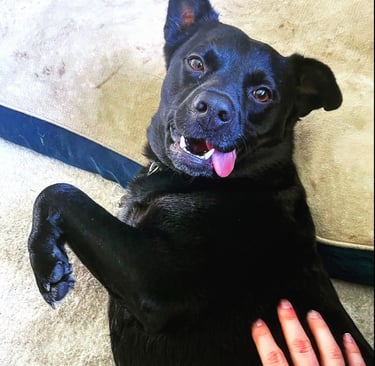
Titan taught me this lesson the hard way. The day another reactive dog locked eyes from across the park, Titan’s entire body stiffened. Then—bam—he exploded into a full-throated bark, lunging so hard I had to plant my feet like a linebacker just to hold on. It wasn’t aggression. It wasn’t poor training. It was what every trainer diplomatically calls leash reactivity.
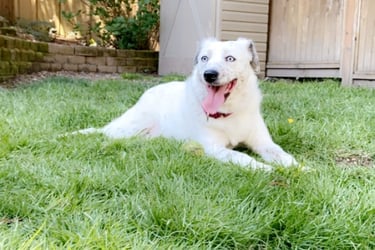
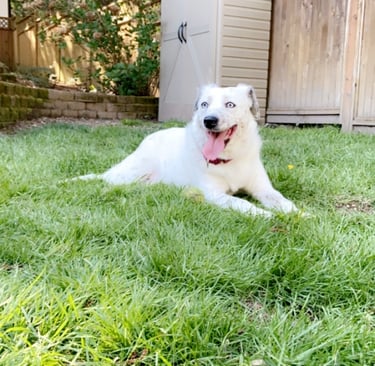
And Jemma? My sweet, deaf, Whataburger-rescued girl? She doesn’t care much about other dogs unless they come out of nowhere or move too quickly. A jogger rounding a corner, a cyclist flying past, even the sudden appearance of a squirrel — that’s when she shrieks like a banshee and needs a hip-tap to come back down to earth.
Sound familiar? Welcome to the club. The Leash Gremlin club.
What Are “Leash Gremlins,” Anyway?
“Leash Gremlin” is my affectionate, slightly sarcastic label for a dog who transforms the second you clip them in. Calm couch potato indoors, but outside? They morph into a lunging, barking, gremlin-eyed maniac at the end of their six-foot leash.
Here’s the thing: leash reactivity ≠ aggression. Most reactive dogs are either:
Frustrated Greeters: They desperately want to say hi, but the leash says no.
Defensive Worriers: They see potential threats and feel trapped.
The leash removes their ability to choose distance or engagement, which, according to Patricia McConnell, is like putting a human in a crowded elevator with their worst enemy. Of course you’d panic.
Why the Leash Makes Everything Worse
Loss of Control → Without choice, many dogs panic or overcompensate.
Tension Travels → The tighter we grip, the tenser they get.
Bottled-Up Energy → Imagine being told “walk calmly” while fireworks go off.
Titan is a textbook frustrated greeter. If another reactive dog is even within his vision, management becomes the only option. On the flip side, Jemma shows us a different gremlin flavor: visual startle responses. For her, it’s not about who’s across the street—it’s about what appears too suddenly or moves too fast.
Titan & Jemma: Two Gremlins, Two Lessons
Titan: The “I can’t even with you right now” guy. Management is survival. That’s why we often use Sniffspot rentals or secluded off-leash areas. He thrives when he’s free to move without confrontation.
Jemma: The “don’t you dare sneak up on me” queen. Her deafness means she relies heavily on vision. A runner darting past, a cyclist materializing at her side, or even a squirrel dropping from a tree can set her off. Without Titan by her side, she’s calmer — proof that co-reactivity can double your headaches.
Trainer-Backed Strategies (That Actually Work)
Short Decompression Walks
Inspired by Patricia McConnell, think “sniffari” rather than cardio. Let your dog’s nose drain the fizz before facing the sidewalk chaos.The Engage–Disengage Game
From Denise Fenzi: Reward your dog for looking at the trigger, then back at you. Titan will lock on another dog like a sniper — this game gives him a new script.U-Turn Cue
Leslie McDevitt’s Control Unleashed method: Cheerful “let’s go!” + treat behind your leg. Jemma nails this, especially when a jogger or cyclist rockets past.Pattern Games
Predictability calms chaos. “One step, treat. Two steps, treat.” It’s like giving your dog a puzzle instead of a panic button.Body Signals
Jemma’s hip-tap cue reminds her to focus on me. Deaf dogs especially benefit from consistent physical signals when environmental chaos pops up.
Tools of the Trade (and Their Budget Cousins)
Titan: “If there’s another gremlin in sight, I will absolutely lose my cool. Off-leash sniff sessions save my dignity.”
Jemma: “I’m fine… until you appear out of nowhere or move too fast. Then I’ll shriek, and mom will tap my hip to remind me I’m safe.”
Together, they remind us: no leash gremlin is beyond help — just patience, management, and a dash of humor.

Resources
Your go-to hub for pet parenting tips.
Unleash Your Inner Pawrent
© 2025. All rights reserved.
Tiny paw-print note: We may earn on Amazon links—no extra cost to you, but it does fund our dogs’ ever-growing tennis ball obsession.