
“I Regret Getting a Dog” — And Why That’s Totally Normal
Feeling guilty about regretting your dog? You’re not alone. Learn why it’s normal, what trainers say, and how to cope without giving up.
LIFESTYLE
Well Planned Pawrenthood
8/28/20254 min read


The Secret Every Dog Pawrent Keeps (But Shouldn’t Have To)
Somewhere between your dog’s first midnight potty break and their fifth “oops, the trash looked delicious” incident, you’ve probably whispered into the void: I regret getting a dog.
Before you slap duct tape over your conscience and pretend you never thought it, let’s pause. Regret is not only normal — it’s practically part of the initiation rite into dog pawrenthood. And no, it doesn’t mean you’re unfit, heartless, or destined to fail. It means you’re human.
I’ll go first. When Titan was a puppy, I lived on the third floor of a walk-up. Potty training meant hauling myself down (and then up) ten flights of stairs at all hours. By week two, with zero REM cycles and a high-stress medical job that didn’t exactly forgive under-eye circles, I had one tear-stained thought: What was I thinking?
Spoiler: Titan did learn. My sanity took a sabbatical, but my carpet survived.
The Unspoken Side of Dog Parenthood
Social media makes it look like everyone else’s dog came pre-programmed with recall, off-switches, and the ability to pose like a woodland fairy prince. Reality check? Dogs are chaos wrapped in fur.
Even the pros admit it. Trainers like Patricia McConnell and Ian Dunbar have written entire books on the mismatch between expectations and reality — because disappointment is baked into the process. Puppies shred rugs. Rescues unearth trauma triggers. Senior dogs age faster than we’re ready for.
Regret doesn’t mean you don’t love your dog. It means you’re colliding with reality.
Why Regret Happens (And When It Hits Hardest)
The Puppy Blur
Sleepless nights.
Chewed shoes.
Floors that feel like biohazard zones.
The Adolescent Ambush
Sudden selective hearing.
Energy levels that rival Olympic sprinters.
Escalating leash theatrics.
The Rescue Curveball
When Jemma came home, she looked like any other wiggly twelve-week-old. What she didn’t do was respond to clapping, shouting, or doors slamming. Finding out she was completely deaf wasn’t a deal-breaker, but it was a curveball.
Her startle reflex sometimes got us in trouble — like the time she snapped in surprise when a stranger reached too quickly to pet her. People don’t expect a healthy-looking dog to have a disability, and the embarrassment of explaining it over and over had me wondering if I was cut out for this.
The “What’s That Smell?” Era
Even years in, regret rears its messy head. Every couple of months, Titan and Jemma stage a midnight trash heist. On the worst night, The pièce de résistance? An almost week-old raw chicken package spilled across my couch. Salmonella chic is not a décor style, the smell was horrendous and lingering, and yes, I had to throw out furniture.
Coping With the “What Have I Done?” Phase
First, breathe. Then try these:
Shrink the goalposts. Celebrate one accident-free day, not a perfect week.
Outsource your sanity. A trainer, a class, or even a dog-savvy neighbor can lighten the load.
Reframe failure. A “bad” walk isn’t wasted; it’s data on what your dog can’t yet handle.
Use humor as armor. If you don’t laugh when your dog eats drywall, you’ll cry. (Sometimes you’ll do both.)
When Jemma finally nailed her first signed “sit” cue, the weeks of frustration melted. When Titan stopped exploding in stairwells, I knew the 2 a.m. trips were worth it.
Enrichment toys, barriers, and sound buffers don’t cure regret — but they buy you peace, which is close enough.
When Regret Signals a Bigger Issue
Sometimes regret isn’t a phase. Sometimes it’s a neon sign.
Safety: A dog’s aggression feels unmanageable.
Mental health: Caring for them worsens depression or anxiety.
Finances: Vet bills exceed what you can realistically carry.
Rehoming is stigmatized, but trainers like Denise Fenzi remind us: keeping a dog at all costs isn’t always best for either party. Sometimes, love looks like admitting you’re not the right fit.
Finding the Silver Lining
Here’s the paradox: regret and gratitude often coexist.
My dogs are not perfectly mannered. They still raid trash like frat boys at 3 a.m. But when I’m burnt out from work, they’re perfectly in tune with me. Titan’s calm steadiness and Jemma’s exuberant cuddles have been worth every sleepless night, ruined couch, and embarrassing explanation.
Regret fades. Bonding grows. And sometimes, you look back and realize the dog you almost gave up on is the dog you can’t imagine life without.
FAQ
Is it normal to regret getting a dog?
Yes. More people feel it than admit it.
How long does regret last?
Anywhere from weeks to months. It usually fades with training, structure, and time.
Should I feel guilty if I’ve thought about rehoming?
No. Guilt helps no one. Honest assessment helps everyone.
Do trainers regret their first dogs?
Absolutely. Many will tell you their “problem dogs” taught them the most.
Final Thought
You’re not broken for regretting your dog. You’re just adjusting to the reality of loving a creature that doesn’t speak your language, doesn’t pay rent, and occasionally redecorates with raw chicken. Stick with it — your future self (and your dog) will thank you.
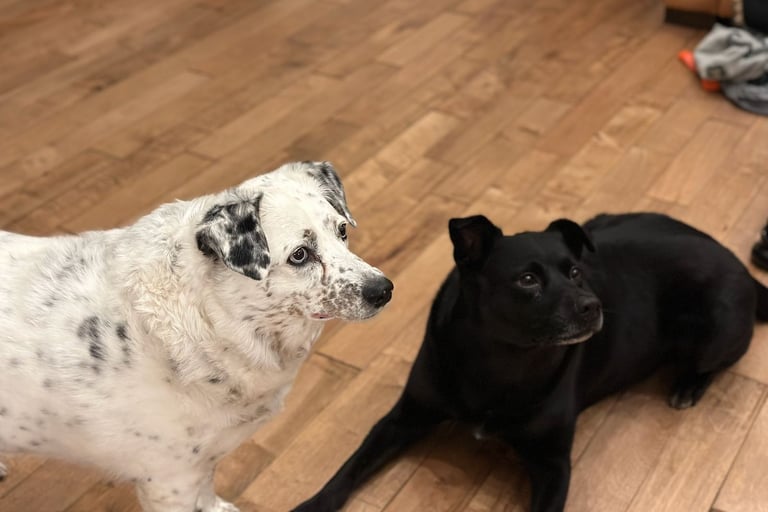
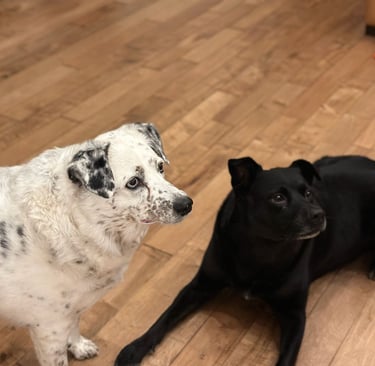
Titan’s the steady big brother, Jemma’s the sassy deaf dynamo — together they fuel every Planned Pawrenthood story (and occasional trash disaster).
Affiliate Disclosure: Some of the links in this post are affiliate links. That means if you click and buy, we may earn a small commission (at no extra cost to you). Consider it your way of funding Titan & Jemma’s next anti-trash-can strategy. 🐾
Resources
Your go-to hub for pet parenting tips.
Unleash Your Inner Pawrent
© 2025. All rights reserved.
Tiny paw-print note: We may earn on Amazon links—no extra cost to you, but it does fund our dogs’ ever-growing tennis ball obsession.