
The Startled Dog: Managing Touch Sensitivity in Deaf Dogs
Help your deaf dog overcome startle reflexes with consent-based touch, desensitization protocols, and safety strategies.
LIFESTYLEBEHAVIOR
DLC of Well Planned Pawrenthood in Collaboration with Dr. Rowan Hayes
10/18/202514 min read


The Startled Dog: Managing Touch Sensitivity in Deaf Dogs
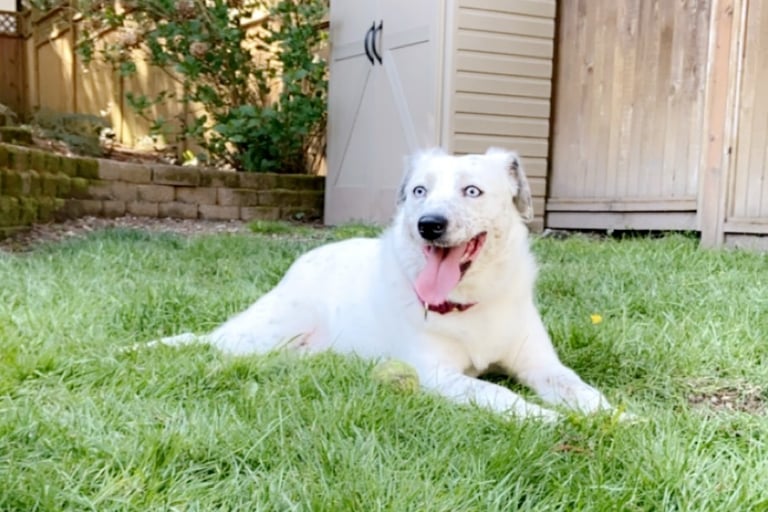
Jemma rarely startles these days—unless she's caught completely off guard. The first time it happened, I'd reached down to wake her from a sunny-spot nap, and her head snapped up with a low rumble that made my heart skip. Not aggressive, exactly. More like the canine equivalent of "WHO GOES THERE?" delivered in Shakespearean tragedy tones. In that moment, I understood something fundamental: when you can't hear footsteps or door creaks or the crinkle of a treat bag, touch becomes your primary warning system. And when that system gets bypassed? The world feels a whole lot less predictable.
Living with a deaf dog has taught me that "startled" doesn't automatically equal "dangerous." Jemma's initial reaction wasn't about aggression—it was about control. She couldn't anticipate my approach, and her nervous system responded with the only tool it had: defensive surprise. Over months of intentional work, we've transformed that response into confident curiosity. Now, she wakes to my touch with a lazy stretch and immediate eye contact, checking in to see what adventure awaits. That transformation didn't happen by accident. It required understanding the neuroscience of startle responses, respecting her need for consent, and building touch associations that scream "safety" instead of "threat."
Understanding Touch Sensitivity in Deaf Dogs
Why Deaf Dogs Startle More (But Don't Have to Stay That Way)
Here's the science behind why Jemma—and every deaf dog—experiences heightened startle responses: they've lost their early warning system. Hearing dogs process approaching footsteps, door vibrations, and environmental sounds that create a mental map of their surroundings. Remove that auditory input, and your dog relies entirely on visual cues and physical sensation to navigate the world. When touch arrives unexpectedly, their autonomic nervous system fires before the thinking brain can catch up—resulting in that classic "YIKES!" reaction that can range from a startled jump to defensive snapping.
But here's the myth-busting truth: this isn't a permanent personality trait. Multiple studies and trainer reports confirm that deaf dogs can absolutely learn to reduce startle responses through systematic desensitization. The key is pairing unexpected touch with overwhelmingly positive experiences, essentially rewiring the emotional association from "threat" to "treat". Think of it as upgrading their internal software: instead of "unexpected touch = danger," you're installing "unexpected touch = something wonderful is about to happen."
Research from deaf dog organizations shows that dogs who undergo consistent desensitization training demonstrate measurably calmer responses to sudden touch within 4-6 weeks. Some deaf dogs, like Jemma, naturally have lower baseline anxiety and adapt more quickly. Others—particularly rescue dogs with unknown histories—may need longer timelines and extra patience. The variability isn't about deafness; it's about individual temperament, past trauma, and environmental confidence.
The Consent Factor: Why It Matters for Deaf Dogs
Consent-based training isn't just a buzzword—it's the ethical foundation of working with touch-sensitive deaf dogs. When Jemma learned she could "opt out" of interactions that felt overwhelming, her overall confidence skyrocketed. Consent training teaches dogs to signal readiness through learned behaviors: a chin rest on a mat, sustained eye contact, or remaining in position during handling. If the dog moves away or breaks the consent cue, you respect that boundary and reassess.
For deaf dogs specifically, consent protocols address a fundamental power imbalance: they can't hear you negotiating approach. Consent training restores agency by giving them a way to communicate "yes, proceed" or "no, I need space". This isn't about avoiding all handling—it's about teaching dogs that their input matters, which paradoxically increases their willingness to cooperate during necessary procedures like grooming, vet exams, and nail trims.
Practical consent looks like this: before reaching toward Jemma's collar, I present my open hand at her eye level. If she nudges it or maintains relaxed eye contact, I proceed. If she looks away or steps back, I honor that boundary and try again later with higher-value rewards or a less-stressful context. Over time, this builds trust that reduces defensive reactions because she knows she won't be forced into uncomfortable situations.
Desensitization Protocols: The Step-by-Step Roadmap
Week 1-2: Building the Foundation (Awake Training Only)
Start desensitization when your dog is fully awake, alert, and in a positive mood—ideally after a meal or play session when stress hormones are naturally lower. The protocol from touch sensitivity specialists recommends this progression:
Touch-and-treat pairing: Touch your dog's shoulder for 1-2 seconds, immediately followed by a high-value treat. Repeat 15-20 times per session, 3-4 sessions daily. The goal is creating a Pavlovian association: touch = delicious things happen. With Jemma, I used microscopic pieces of freeze-dried liver—small enough to repeat frequently without causing stomach upset, but irresistible enough to override any mild anxiety.
Duration building: Once your dog shows enthusiastic anticipation (tail wagging, leaning into the touch), gradually extend touch duration to 3-5 seconds before treating. If your dog tenses, backs up, or shows stress signals (lip licking, whale eye, turning away), you've progressed too fast—drop back to shorter durations and rebuild.
Location expansion: Move the touch protocol to different body parts in this order: shoulder → mid-back → chest → base of tail → legs → paws → ears. Each new location restarts at 1-2 second touches with immediate treats. Sensitive areas like paws and ears may require several extra days of conditioning.
Week 3-4: Introducing Mild Surprise Elements
Now you're ready to reduce predictability gradually. The goal is teaching your dog that even unexpected touch predicts good things:
Behind-the-shoulder approach: Position yourself slightly behind your dog's direct line of sight (but still within peripheral vision). Touch shoulder, immediate treat. Repeat until your dog begins to anticipate the touch positively—you'll see them glancing back toward you or relaxing rather than startling.
Gentle wake-ups from light sleep: Start with drowsy moments, not deep REM sleep. Place a treat near your dog's nose, allowing the scent to wake them naturally. As they stir, deliver the treat. After several successful repetitions, progress to a light shoulder touch while they're drowsing, followed immediately by treat delivery.
Variable touch pressure: Mix light fingertip touches with firmer open-palm contact, always followed by treats. This teaches that different types of touch are safe, preventing over-sensitization to one specific sensation.
Week 5-8: Real-World Application and Maintenance
By week five, you're ready for practical scenarios:
Deep sleep wake-ups: Approach your sleeping dog, gently touch their shoulder with deliberate pressure (not a poke—a confident touch), and immediately present a treat as they wake. Jemma now wakes to my touch with a relaxed stretch, knowing breakfast or a walk is imminent.
Startle recovery training: Deliberately create mild startle moments (within ethical limits) and immediately flood with treats. For example, if your dog is focused on a toy and you approach from their blind spot, the moment they notice you and startle, deliver 5-6 treats rapid-fire. This teaches that even genuine surprises lead to positive outcomes.
Child safety protocols: If you have kids or visitors with children, teach children the "Consent Touch Protocol". Children must wait for the dog to approach them, show an open palm, and only pet shoulders or chest—never the head or face. Practice with stuffed animals first so kids understand the mechanics before interacting with your dog.
Safety First: Preventing Defensive Reactions
Reading the Warning Signs (Before They Become Bites)
Deaf dogs give the same stress signals as hearing dogs—you just have to watch more carefully since you can't rely on auditory cues like growls or whines. Key body language to monitor:
Whale eye (visible whites of the eyes): Your dog is tracking something with peripheral vision while keeping their head still—often a precursor to defensive behavior.
Lip licking (when no food is present): A classic calming signal indicating mild stress.
Body freezing or stiffening: This is a critical warning that your dog feels threatened and may escalate if pressure continues.
Ears pinned back or turned away: Combined with averted gaze, this screams "I'm uncomfortable and would like space".
Raised hackles with tense posture: Autonomic arousal response—your dog's nervous system is preparing for fight-or-flight.
If you see these signals during touch training, stop immediately. You've exceeded your dog's comfort threshold. Reduce intensity, increase distance, or end the session and revisit when your dog is calmer.
Emergency Protocols: What to Do If Your Dog Bites
Despite best efforts, bites can happen—especially early in training or with rescue dogs whose histories are unknown. Here's what to do:
Immediate response: Calmly remove yourself or the victim from the dog's space without making sudden movements that could trigger further response. Check for injury—most startle bites are inhibited warnings (bruising without puncture), but any skin break requires medical attention.
Confine the dog safely: Place your dog in their crate or a separate room to allow their nervous system to de-escalate. This isn't punishment—it's safety and decompression.
Document the incident: Note the time, exact context, what preceded the bite, and your dog's body language. This information helps trainers and veterinarians assess patterns and adjust training protocols.
Consult professionals: A certified dog behavior consultant (CBCC-KA or CAAB credentials) specializing in deaf dogs can assess whether your training plan needs modification. If bites are frequent or severe, veterinary behaviorists can evaluate for pain, neurological issues, or prescribe anxiety medication as a training adjunct.
Child Education Protocols: Teaching Kids to Respect Boundaries
Children under 12 are at highest risk for dog bites, often because they don't recognize stress signals or respect canine boundaries. For families with deaf dogs, education is non-negotiable:
Rule #1: Never disturb a sleeping deaf dog. Period. No exceptions. Post visual reminders (cute signs work well) in areas where your dog naps.
Approach Protocols That Actually Work
The Five-Step Approach System for Deaf Dogs
Professional trainers recommend a structured approach protocol that prioritizes visibility and predictability. Here's the system I use with Jemma, backed by research from deaf dog specialists:
Step 1: Enter the visual field at a distance. Never approach from directly behind. Walk into your dog's peripheral vision at least 6-8 feet away, allowing them to register your presence. For sleeping dogs, this might mean walking past them multiple times with deliberate footsteps that create floor vibrations.
Step 2: Use consistent attention cues. Establish a "look at me" signal that becomes your dog's cue that interaction is coming. This could be a hand wave, a gentle floor stomp, or even a flashlight blink (though be cautious with light cues as some deaf dogs develop obsessive behaviors around shadows). Jemma's cue is a slow, exaggerated wave at shoulder height—visible but non-threatening.
Step 3: Wait for acknowledgment. Don't proceed until your dog makes eye contact or turns toward you. This step is critical: it ensures your dog is mentally present and has consented to interaction. If they don't acknowledge you within 5-10 seconds, reassess—maybe they need more distance, a different angle, or simply more time.
Step 4: Approach slowly with open body language. Keep your body slightly angled (never head-on, which can feel confrontational), arms loose, and posture relaxed. Move at a pace that allows your dog to track you visually—no sudden lunges or quick movements that could bypass their processing time.
Step 5: Initial touch on a neutral zone. The first touch should always be on the shoulder or mid-back—never the head, face, or rear. These neutral zones feel less invasive and give dogs the option to move away if uncomfortable. For Jemma, shoulder touches have become her "safe zone" where even unexpected contact feels manageable.
Rule #2: Wait for the dog to approach you. Kids should never chase, corner, or grab at deaf dogs who can't hear them coming. Teach the "tree method": stand still, arms at sides, eyes averted, and let the dog investigate on their terms.
Rule #3: No face-to-face interactions. Dogs interpret direct eye contact and face-level proximity as confrontational. Kids should pet shoulders and backs only, never reaching over the dog's head.
Rule #4: Respect the "safe zone." Every deaf dog needs a designated space (crate, bed, or gated room) where they are 100% off-limits to children. This gives your dog predictable refuge when overstimulated.
Use role-playing with stuffed animals to practice these rules until they're automatic. Kids respond well to games—make it fun, not frightening, and reinforce correct behavior with praise.

Training Progression: Confidence Building Programs
Month 1: Foundation Behaviors
Beyond touch desensitization, build overall confidence through structured activities that reduce baseline anxiety:
Nose targeting: Teach your dog to touch your hand with their nose on cue. This simple behavior becomes a foundation for recall, redirecting attention, and giving your dog a "job" that builds self-efficacy. Hold a treat in your closed fist, let your dog sniff, and the moment their nose touches your hand, mark with a thumbs-up and reward. Progress to an open palm, then varying distances.
Place training: Designate a mat or bed as your dog's "safe spot". Lure them onto the mat, mark and reward. Gradually increase duration they remain on the mat before rewarding. This teaches impulse control and gives your dog a portable "calm zone" they can use in stressful environments.
Eye contact games: Since visual communication is everything for deaf dogs, heavily reinforce voluntary eye contact. Every time your dog looks at your face unprompted, mark and reward. Build to sustained eye contact (5-10 seconds) which becomes your dog's way of "checking in" for instructions.
Month 2-3: Practical Handling Skills
Apply your touch desensitization to real-world scenarios:
Collar grabs: Touch the collar area briefly, treat. Progress to gently grasping the collar, treat. Eventually hold collar for 3-5 seconds, treat. This prevents collar-sensitivity that makes leashing and emergency grabs dangerous.
Restraint tolerance: With your dog in a sit or down, place one arm gently over their shoulders (mimicking vet exam positioning), hold 2-3 seconds, release and treat. Gradually increase duration and pressure, always staying below your dog's stress threshold.
Paw handling: Touch top of leg, treat. Touch paw briefly, treat. Hold paw for 1 second, treat. Progress to lifting paw, holding for 3-5 seconds, and gently manipulating toes (for nail trims). Pair with actual nail clippers (just touching, not cutting initially) so your dog desensitizes to all elements of the procedure.
Month 4+: Advanced Confidence and Socialization
Once your dog is solid on basic handling, expand their comfort zone:
Novel surface confidence: Practice walking on different textures (metal grates, wet grass, gravel) to build adaptability. Reward heavily for confident exploration.
Stranger touch protocols: With trusted helpers, teach your dog that other people's touch also predicts good things. Start with calm adults who follow your approach protocol, progressing to more varied personalities and eventually (under supervision) children.
Environmental desensitization: Expose your dog to busy environments (outdoor cafés, pet stores, parks) where unexpected jostling might occur. Keep sessions short, heavily reward calm behavior, and always exit before stress escalates.
Tools and Techniques That Support Success
Visual Markers and Hand Signals
Since deaf dogs can't hear clickers, you need visual markers for precise communication. Common options:
Thumbs-up gesture: Quick, clear, and emotionally positive. Pair with treats consistently until the thumbs-up itself becomes rewarding.
"Yes" hand signal: ASL sign for "yes" (fist with thumb extended, bobbing forward) is distinct and easy for dogs to see.
Flashlight blinks: Effective for distance communication but use cautiously—some deaf dogs develop compulsive light-chasing. If you notice any fixation on lights/shadows, discontinue immediately.
Load your chosen marker by showing the signal, then immediately delivering a treat. Repeat 50-100 times over several days until your dog shows excited anticipation when they see the marker—that's when you know the association is solid.
Vibration Collars: When and How to Use Them
Vibration collars are controversial, so let's clarify: they're attention-getting tools, not correction devices. Used properly, they help deaf dogs "check in" when they're off-leash or distracted.
Proper conditioning protocol:
Let your dog investigate the collar while it's off, pairing with treats
Hold the collar against their shoulder or leg (not neck initially) and briefly activate vibration, immediately followed by jackpot treats
Repeat 20-30 times until vibration = party
Put collar on neck (turned off) and practice for several days
Activate collar on lowest setting, mark with thumbs-up, and reward heavily
Gradually build to using vibration as a cue to look at you for further instructions
Never use vibration as punishment or "correction"—this creates fear and defeats the purpose. The vibration should mean "Hey, look at me, something good is about to happen!"
Recommended models include the E-Collar Technologies Educator PG-300 (vibration-only, no shock option) and the SportDog FieldTrainer (has shock capability but you'll only use vibration). If you're uncomfortable with vibration collars, that's completely valid—many deaf dog owners successfully use long lines and visual cues exclusively.
Creating a Deaf Dog-Friendly Home Environment
Visual cues everywhere: Use floor lamps in rooms where your dog spends time—turning them on/off can signal "come here" or "let's go outside".
Consistent routines: Deaf dogs thrive on predictability. Feed, walk, and play at the same times daily. This reduces ambient anxiety that can amplify touch sensitivity.
Secure sleeping areas: Give your dog a designated sleeping spot that's slightly out of main traffic flow. This reduces accidental wake-ups from family members walking past.
"Deaf Dog" identification: Use brightly colored harnesses, vests, or collar tags that clearly state "DEAF DOG". This alerts strangers to approach appropriately and prevents dangerous situations if your dog escapes.
Bells on collar: Attach a small bell so you can track your dog's location auditorily, even though they can't. This is especially helpful in multi-room homes or yards where visual monitoring is difficult.
Real-World Success Stories and Troubleshooting
Jemma's Journey: From Startled to Confident
When Jemma first arrived, waking her from sleep was a gamble. She'd sometimes snap reflexively, then immediately look confused—like "why did I do that?" The turning point came when I stopped trying to force calmness and started respecting her need for control. I implemented the smell-first wake-up method: holding a treat near her nose and letting the scent rouse her naturally. Within two weeks, she began waking more peacefully. Within six weeks, I could touch her shoulder mid-sleep and she'd stretch luxuriously before opening her eyes.
The key wasn't eliminating the startle reflex entirely—it was giving her nervous system enough positive experiences that "unexpected touch" no longer defaulted to "threat." Now, she's so confident that she sleeps sprawled across doorways and high-traffic areas, utterly unbothered by the chaos around her.
Common Setbacks and How to Navigate Them
Regression after stressful events: If your dog experiences trauma (vet visit, loud fireworks, household move), touch sensitivity may temporarily increase. Solution: Revert to earlier training stages—shorter durations, higher value treats, more frequent sessions. Think of it as a temporary reset, not permanent failure.
Inconsistent family participation: If one family member follows the protocol perfectly but another grabs the dog impulsively, you'll see confusing mixed progress. Solution: Family training sessions where everyone practices approach protocols together. Post visual reminder cards near your dog's favorite spots.
Age-related changes: Senior deaf dogs may develop arthritis or cognitive dysfunction that makes touch more uncomfortable. Solution: Veterinary evaluation to rule out pain, adjust touch protocols to avoid sensitive areas, and consider medication if needed.
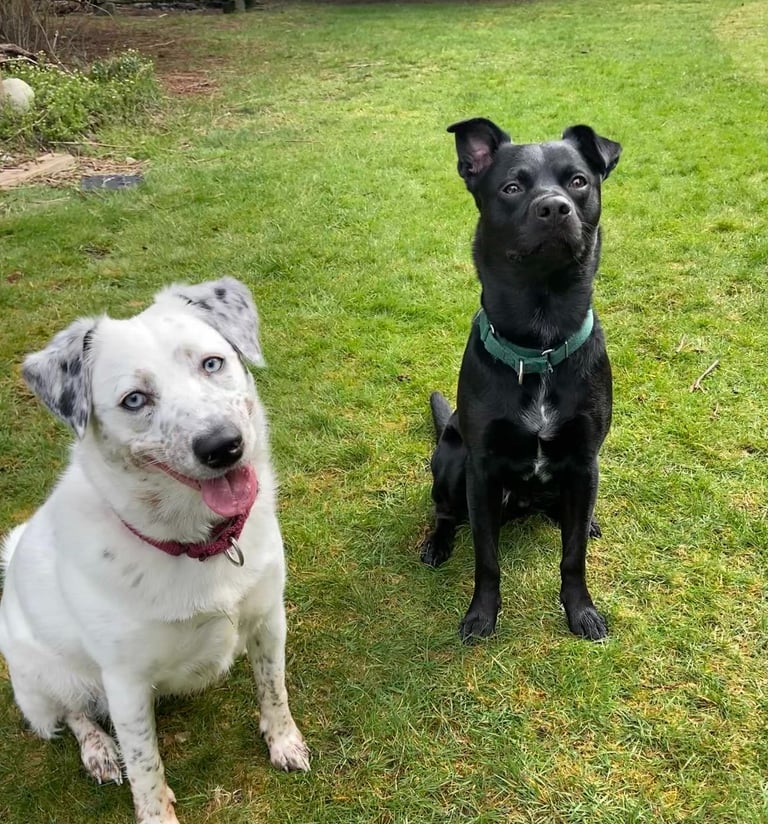
Breed-specific considerations: High-drive breeds (like Jemma's cattle dog mix) may have naturally higher arousal responses. Solution: Increase overall physical and mental exercise to lower baseline stress before touch training sessions.
When to Call in Professionals
If your deaf dog's touch sensitivity includes any of the following, seek professional help immediately:
Bite history with broken skin or multiple incidents
Generalized aggression beyond touch sensitivity (resource guarding, stranger aggression)
Extreme fear responses (complete shutdown, prolonged hiding, self-harm)
No improvement after 8-12 weeks of consistent training
Look for certified professionals with specific deaf dog experience: Certified Dog Behavior Consultants (CBCC-KA), Certified Applied Animal Behaviorists (CAAB), or veterinary behaviorists. Many offer virtual consultations if local options are limited.
Budget vs. Premium: Investment Tiers
Budget Approach ($50-100):
DIY hand signal training using free online resources
High-value treat variety (freeze-dried liver, cheese, cooked chicken)
Basic slip lead for controlled practice sessions
Enzyme cleaner for accident management
Baby gates to create safe zones
Written training journal to track progress
Mid-Range ($150-300):
Professional training consultation (1-2 sessions) for customized protocol
Quality treats from specialized retailers
Vibration collar (if desired)
Puzzle toys and enrichment items
Calming supplements (if recommended by vet)
"Deaf Dog" identification gear
Premium ($500+):
Comprehensive training package (6-8 sessions) with certified behaviorist
Private consultation with veterinary behaviorist
Advanced vibration collar with multiple settings
Professional-grade treat pouch and training equipment
Calming pheromone diffusers (Adaptil)
Customized visual cue systems
Ongoing support membership or training app subscriptions
The Honest Truth About Jemma's Touch Sensitivity Now
These days, Jemma sleeps so confidently that she's often blocking doorways, sprawled in the middle of high-traffic zones with zero concern. She wakes to my touch with a languid stretch and immediate eye contact, checking in to see what's next—walk? Food? Play? The startle reflex isn't completely gone (caught truly off-guard, she'll still jump), but her recovery time is instant. Where she used to rumble defensively, she now just looks mildly annoyed—like "Excuse you, I was napping"—before moving on.
That transformation didn't happen overnight. It required hundreds of repetitions, endless patience, and a willingness to respect her pace rather than force compliance. But here's what I learned: touch sensitivity in deaf dogs isn't a character flaw or a permanent limitation. It's a nervous system response shaped by experience. And with the right approach, you can reshape that response into confidence, cooperation, and trust.
Your deaf dog isn't broken. They're just navigating a silent world, and sometimes, unexpected touch feels like a jump-scare movie moment. Your job isn't to eliminate their startle reflex—it's to teach them that even surprises can lead to good things. Give them control, respect their boundaries, flood with positive associations, and watch them bloom into the confident companions they were always meant to be.
Resources
Your go-to hub for pet parenting tips.
Unleash Your Inner Pawrent
© 2025. All rights reserved.
Tiny paw-print note: We may earn on Amazon links—no extra cost to you, but it does fund our dogs’ ever-growing tennis ball obsession.