
Vet Visits From Hell: Barking, Growling & Surviving the Cone of Shame
From barking banshees to the dreaded cone of shame—learn expert-backed tips to make vet visits less stressful for dogs and pawrents alike.
LIFESTYLEBEHAVIOR
Well Planned Pawrenthood
9/9/20258 min read


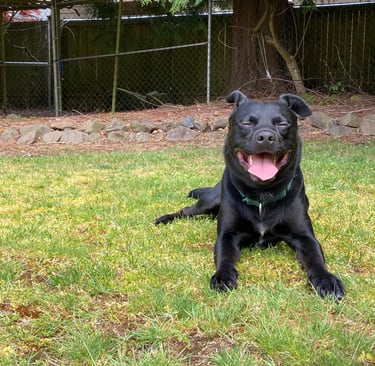
The very first time Titan had his temperature taken at the vet, the tech reached for the thermometer and, well… dignity went out the window. As the thermometer was inserted, Titan let out a low, almost comical rumble. It wasn't an aggressive growl—it was more like the canine equivalent of a grumpy sigh, the sort of sound a tired grandparent makes when told to stand in line again. The staff burst into quiet giggles at how dramatic he sounded, while I stood there mortified, trying to explain, "He's not being mean, he's just… offended."
That single sound set the tone for all of Titan's future exams. He doesn't fight or lash out—he sits stoically and lets the vet do their job—but he always has something to say about it. Whether it's a huff, a groan, or side-eye that could melt steel, Titan has mastered the art of making his opinion known without ever crossing into aggression.
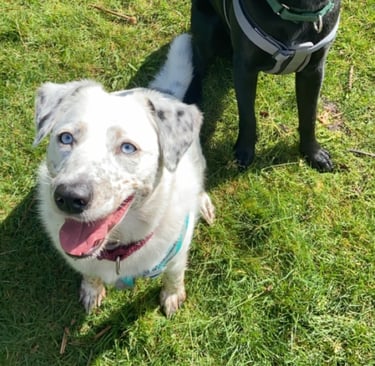
Jemma, our deaf dynamo, showed me something completely different: vet visits can be radically calmer when the humans adjust first. When I warn the staff she's deaf, they peek around corners before entering, toss a treat before touching, and even mimic her sign cues. She lights up instantly. The lesson? Advocacy and preparation beat white-knuckle embarrassment every single time.
Oh—and Titan's "medical emergency" that had me racing to the clinic because he wouldn't eat? Final diagnosis: protest of dinner. He was perfectly fine. My pride? Still recovering.
Why Even "Good Dogs" Lose Their Minds at the Vet
Understanding the science behind vet visit anxiety helps explain why your normally well-behaved pup transforms into a trembling mess or barking banshee. According to veterinary behaviorists, dogs experience what researchers call "fear stacking"—multiple stressors compounding into overwhelming anxiety.
The Perfect Storm of Stress Triggers:
Sensory overload: Disinfectant smells (70+ times stronger to their noses), metal tables conducting cold, squeaky shoes on linoleum, and unfamiliar voices
Loss of control: Strange hands restraining them, slick floors providing no traction, inability to escape or hide
Memory association: Previous negative experiences create anticipatory anxiety that starts before leaving home
Physiological responses: Elevated heart rate (increases 11% on average), higher blood pressure (16% increase), and stress hormone spikes
Developmental factors also play crucial roles. Puppies under two years who visit frequently often show more fear than older dogs with fewer visits, suggesting that poorly managed early experiences actually worsen anxiety over time rather than creating habituation.
Dr. Karen Overall's groundbreaking research on veterinary fear, anxiety, and stress revealed that what we consider "normal" vet visit behavior often causes lasting emotional damage. Each negative experience conditions dogs for future negative responses, creating a vicious cycle where subsequent visits become progressively more difficult.
The Pre-Visit Game Plan: Setting Up for Success
Research from the Fear Free movement and Low Stress Handling protocols shows that preparation begins days—not minutes—before walking through the clinic doors.
72 Hours Before: Foundation Building
Exercise Strategy: A tired dog is a calmer dog, but timing matters. Veterinary behaviorists recommend moderate exercise 2-3 hours before the appointment rather than intense exercise immediately beforehand. Over-exercised dogs can actually show increased reactivity due to elevated cortisol levels.
Handling Desensitization: Practice mock exams at home using the chin-rest technique developed by cooperative care trainers. This teaches dogs to signal consent for handling rather than enduring restraint. Start with brief touches to ears, paws, and mouth, rewarding immediately with high-value treats.
Environmental Preparation: Begin scent conditioning with calming pheromones. Adaptil (Dog Appeasing Pheromone) mimics the security hormone mother dogs release while nursing. Spray on a bandana or collar 30 minutes before travel—studies show 67% stress reduction in treated dogs.
The Morning Of: Tactical Execution
Nutritional Timing: Skip the regular breakfast but offer small training treats throughout preparation. An empty stomach prevents car sickness while maintaining treat motivation. For dogs prone to hypoglycemia, offer a few bites of easily digestible carbs 30 minutes before leaving.
Pre-Visit Pharmaceuticals: Discuss options with your vet if anxiety is severe. Trazodone (2-10mg/kg) given 1-2 hours before departure shows 80% efficacy in clinical trials. Gabapentin provides additional anxiety relief while managing any underlying pain that might increase stress responses.
Car Preparation: Research shows dogs respond best to classical music at low volumes. Create a mobile comfort zone with familiar blankets, a ThunderShirt for pressure comfort, and crack windows for fresh air circulation.
Mastering the Clinic Experience
The "Noise Crew": Barkers, Grumblers, and Opera Sopranos
For dogs who announce their displeasure vocally, understanding the communication behind the chaos helps tremendously.
Titan's barking always escalates when he feels cornered on the exam table. The solution? Floor examinations. Many Fear Free certified clinics now examine dogs on non-slip mats at ground level, where they feel more secure and less trapped.
Redirection Techniques:
Pattern games: Simple 1-2-3-treat sequences occupy the prefrontal cortex, interrupting anxiety spirals
"Find it" scatter feeding: Engages the foraging drive, naturally calming through mental stimulation
Nose targeting: Teaching "touch" gives dogs agency—they choose to interact rather than having interaction forced upon them
Equipment Recommendations:
Snuffle Mat ($15-25): Engages natural foraging behaviors, reduces vocal stress
LickiMat ($8-15): Provides oral fixation, releases endorphins through licking
Premium Option: Nina Ottosson Puzzle Feeders ($25-50): Advanced mental stimulation for high-anxiety dogs
The "Don't Touch Me" Dogs
Some dogs, like our early rescue experiences taught me, have touch sensitivity that goes beyond normal handling hesitation.
Systematic Desensitization Protocol:
Consent-based training: Only proceed when dog shows relaxed body language
High-value pairing: Each touch equals immediate reward—no delays
Threshold management: Stop before the dog reaches stress threshold, not after
Jemma's breakthrough came when I learned to read her subtle stress signals. Deaf dogs often rely more heavily on visual cues, making them excellent teachers for reading body language. When her ears pinned back even slightly, we'd pause and reset rather than pushing through.
The Cone Chronicles: Post-Procedure Survival
Traditional plastic cones turn recovery into torture for both dogs and humans. Titan's post-surgery opera performances on our third-floor walkup taught me that comfort equals compliance.
Cone Alternatives That Actually Work:
Soft fabric cones: Reduce bruising and noise, allow sleeping comfort
Inflatable donuts: Perfect for body wound protection while maintaining peripheral vision
Recovery suits: Like pajamas for dogs—ideal for spay/neuter sites
BiteNot collars: Rigid but padded, prevent scratching without vision impairment
Budget vs. Premium Options:
Budget: DIY rolled towel collars for short supervised periods ($0)
Mid-range: Kong Cloud Collar ($12-18) for comfort and effectiveness
Premium: ZenCollar ($35-50) with advanced ergonomic design and superior comfort
Professional tip: Size up from manufacturer recommendations. A slightly loose cone that stays put is infinitely better than a "perfect" fit that causes constant discomfort and non-compliance.
Advanced Behavior Management Strategies
Lobby and Logistics Mastery
The waiting room often creates more stress than the actual exam. Veterinary practices report that unruly behavior in lobbies increases stress for all animals present, creating a domino effect of anxiety.
Strategic Approaches:
Car consultations: Many clinics offer curbside service—text upon arrival
Time slot optimization: Request first appointment (staff fresh, no accumulated stress scents) or last appointment (quieter environment)
Separate species areas: Dogs and cats process stress differently; mixed waiting areas amplify anxiety
Environmental Modifications:
Bring your own yoga mat or towel for familiar scent and traction
Portable barriers: Baby gates or exercise pen panels create visual shields
White noise apps on your phone to mask sudden sounds
Professional Pharmaceutical Support
When training and environmental management aren't sufficient, medication becomes a crucial tool rather than a last resort.
Pre-Visit Pharmaceutical Options:
Trazodone: Serotonin enhancer, reduces anxiety without heavy sedation
Gabapentin: Dual-purpose anxiety and pain relief
Sileo (dexmedetomidine gel): FDA-approved for canine anxiety, applied to gums
Alprazolam: Fast-acting benzodiazepine for severe cases
Critical Success Factors:
Always trial medications at home first to assess individual response
Timing is crucial—most medications need 1-2 hours to reach peak effectiveness
Combine with behavior modification for long-term improvement
Document effectiveness for future appointments
Age and Lifestyle Considerations
Puppies vs. Senior Dogs
Puppies (under 18 months): Focus on positive association building rather than "getting through" appointments. Their developing brains are incredibly plastic—every experience shapes future responses.
Critical socialization period: 12-16 weeks is prime time for positive vet experiences
Shorter attention spans: Multiple brief interactions work better than one long exam
Higher treat motivation: Take advantage while they're food-motivated
Senior Dogs (7+ years): Often have underlying pain that amplifies stress responses. What looks like increased anxiety might actually be discomfort during handling.
Pain assessment: Request orthopedic evaluation if behavior changes suddenly
Medication interactions: Discuss anxiety medications with current prescriptions
Comfort prioritization: Heated exam tables, soft surfaces, slower movements
Apartment vs. House Dogs
Apartment dwellers often show higher baseline stress due to constant environmental stimulation. They may be more reactive to sudden sounds and movements in the clinic.
House/yard dogs might be overwhelmed by the concentration of stimuli in veterinary settings, having less experience with busy environments.
Both groups benefit from gradual exposure training—visiting pet stores, attending training classes, and socializing in controlled environments builds confidence for medical visits.
Frequently Asked Questions
Should I give my dog medication before vet visits?
If fear prevents safe handling or causes emotional distress, discuss pre-visit pharmaceuticals with your veterinarian. Studies show 80% success rates with properly prescribed anti-anxiety medications. Start with the lowest effective dose and always trial at home first.
What if my dog is fine until they see the needle?
This is incredibly common—restraint for injections often triggers fear responses even in otherwise calm dogs. Use continuous treat delivery, chin-rest positioning, and request the most experienced technician. Many clinics now use butterfly needles or allow injections while dogs eat from puzzle feeders.
Is using a muzzle cruel?
Properly conditioned basket muzzles are safety tools, not punishment. Start conditioning at home with high-value treats (peanut butter, squeeze cheese) so the muzzle predicts good things. A comfortable dog in a muzzle is safer than a stressed dog being forcibly restrained.
How often should I do "happy visits"?
Puppies benefit from weekly social visits for the first month, then monthly until six months old. Adult dogs with clinic anxiety need 2-3 positive experiences between real appointments to maintain progress. Even five-minute treat-and-leave visits build positive associations.
Can I stay with my dog during procedures?
Many veterinary practices now encourage owner presence for routine procedures, recognizing that familiar humans provide comfort. However, if your presence increases your dog's protectiveness or your own anxiety transfers to them, brief separation might be better.
What about mobile veterinarians?
House-call veterinarians eliminate transportation stress and provide familiar environment advantages. However, they can't perform all procedures and may cost more. They're excellent for senior dogs, severe anxiety cases, or routine wellness care.
My dog was fine as a puppy but now hates the vet. What happened?
Fear periods during adolescence (6-18 months) can create new anxieties even in previously confident dogs. Additionally, if early visits involved painful procedures without adequate pain management, negative associations may have developed gradually. The good news: adult dogs can absolutely learn new, positive associations with consistent training.
Product Recommendations and Budget Alternatives
Essential Comfort Items:
High-Value Treats: Zuke's Training Treats ($8-12) or homemade chicken jerky
Calming Aids: Adaptil collar ($25) vs. DIY lavender sachets ($3)
Traction: Yoga mat ($15) vs. specialized vet mats ($40+)
Advanced Anxiety Support:
ThunderShirt ($35-45): Provides pressure comfort, 80% success rate in studies
Calming supplements: Solliquin ($30-40) with L-theanine and alpha-casozepine
Interactive puzzles: Kong Classic ($12-15) for lasting mental engagement
Professional Support:
Fear Free certified veterinarians: Worth researching and potentially switching practices
Certified dog behaviorists: $150-300 consultation provides customized protocols
Mobile veterinary services: $50-100 premium over clinic visits but invaluable for severe cases
Long-Term Success and Maintenance
Building positive vet associations is a marathon, not a sprint. Titan still grumbles about temperature taking, but he walks into the clinic confidently and accepts treats throughout his exam. Jemma actually wags her tail when she sees our veterinary team because they've learned to communicate in her visual language.
Success metrics aren't about achieving perfect compliance—they're about reducing stress, maintaining safety, and preserving the human-animal bond through medical care.
Maintenance Training:
Monthly handling practice at home
Quarterly "happy visits" for social maintenance
Annual assessment of anxiety levels and intervention effectiveness
Lifetime commitment to advocacy and preparation
The goal isn't producing robot dogs who endure procedures without response—it's creating partnerships where dogs can communicate their needs while accepting necessary care with minimal distress.
Final Thoughts
Vet visits don't have to be battles of wills ending in cone-wearing defeat. With proper preparation, environmental management, and a healthy respect for your dog's emotional experience, medical care can become just another part of life rather than a traumatic ordeal.
Your dog's dramatic reactions aren't character flaws—they're normal responses to overwhelming situations. Your job isn't to eliminate all stress (impossible and unhealthy) but to provide coping skills, environmental support, and advocacy when your dog needs it most.
Next time your dog looks at you with that "really, human?" expression as the thermometer approaches, remember: dignity is overrated, cooperation is everything, and sometimes the best medicine is simply being understood.


Resources
Your go-to hub for pet parenting tips.
Unleash Your Inner Pawrent
© 2025. All rights reserved.
Tiny paw-print note: We may earn on Amazon links—no extra cost to you, but it does fund our dogs’ ever-growing tennis ball obsession.